I Begin With Understanding

In the past five months, I have learned a great deal more about life than I had in all the years before. This flood of knowledge has brought a profound change within me, leading to an extraordinary transformation that extends to how I see myself, how I treat others, how I view the way business should be done, and, most importantly, how to be human. 

I judged myself as someone who had failed miserably at building a business. For a long time, I thought I built Vizier simply because I needed a way to live, a way to survive—and yes, it has been a great one. But as time went on, I started to feel this deep urge to build more, to achieve more, and to grow bigger. What began as a side hustle slowly turned into a viable institution, with real responsibilities. Today, it’s a home for five people on my team, and together we’ve worked on so many projects. Our branding pillars stand firm. I know what this institution values, and live by them. For me, “stability” was always the guiding word. But suddenly, without planning it, the word “upscale” took its place. That shift surprised me, but it also excited me. Still, when I look back at my hiring decisions, the capital people poured in to help me, all in the name of stability—I can see how much of it ended in failure. These were lessons I had to learn the hard way. The truth is, I knew nothing about business beyond branding (the surface-level stuff). And that ignorance made me so afraid of risk. In some ways, I’m still that person—still cautious, still fearful. But at least now I understand where I stand, and who I am in this journey.

My purpose in writing this post is for those who come here curious about how I navigated failure and what I am doing now to try to do things better. If you’re here to find out whether my attempts have worked or not, I have to be honest: I can’t give you that answer. I don’t know if this attempt will count as progress. But I do know that taking this step is, without doubt, a significant part of my growth.

Lesson #1: I Understand Now that Building the Business Cannot Be Without Building its People

I realized my past mistakes: I had hired capable people. I looked at their CV and was awed by their impressive numbers and the fantastic job descriptions of their past work. I called them for an interview, felt a match, and directly hired them. Found out that I was not satisfied with their work, and kicked them after probation, or kicked them too long for the leeching on my budget. To be honest, writing this made me upset at myself. Here are things that I did wrong:

  • I had hired entirely based on CV and interview. I saw a match, NOT a fit. My shortcoming was judging them as capable from the onset of our first meeting. I was not being critical—people can write whatever in their resume, but I failed to question how they achieved it. I was transforming myself into a results-oriented boss, rather than a process-oriented mentor. See, this is why this is my biggest mistake. When it comes to work, the process and the attention to detail are what define success in Vizier. We deal with people; our sales are about making them trust our services and showing them the process. I fatally hired people who sold results and were incapable of explaining the process. It’s like I was seeking people to sell the ice cream machine, but ended up hiring someone who sold the ice cream itself.
  • Once they were onboarded, I forgot to give them space to grow. During their probation, I let them figure things out on their own, making this their first (and biggest) test. This was wrong. Their biggest test should have been after they understood their full responsibility, grasped the stated goals, were provided with sufficient company foundations, and, if needed, received skill onboarding. They should then have been given specific KPIs to achieve. I should have been there as a railing, as guiding hands. Instead, I was setting them up to fail from the beginning. To grow, a plant needs water (as a means of external capital) and pressure (as a means of internal motivation)–I was not providing both.
  • I took too long to let go. I made the decision to hire too personally; I believed that if they failed, it meant I had failed. But that’s not true. In some cases, people are simply not who we are looking for. Their failure may be a lesson for my hiring decisions, but it is not a fixed proof of whether I am right or wrong. In some cases, people do take advantage of us or take their work for granted, and when that continues even after we’ve given feedback, nudges, and help, the sooner we let them go, the better it is for the business.

What I am trying to do now is not repeat the above mistakes and maintain this realization in every one of my current hiring and onboarding decisions. I also have to constantly remember that my team members are human first before they are my team members.

Lesson #2: I Understand Now That I Cannot Lead Without Knowing Who I Am

I thought I knew myself. I had gone through difficult experiences in life that I believed had uncovered who I am. But it turns out that was only a small slice of me. Knowing that I am resilient and that I work well under pressure does not mean I truly understand myself. Real understanding doesn’t start from the good things—it begins with facing the darker side of me. My fears and how those fears create limiting beliefs that shape my behavior.

At the beginning of this year, I was fortunate enough to be introduced to the people at Talentbox. They embraced me like family. I had the chance to facilitate some of their training, and in return, they gave me a workshop that allowed me to have a deep conversation with myself. In this workshop, I interviewed the people closest to me and asked for their feedback. From that feedback, I was able to define my biggest current challenge. Not only did I learn how this challenge limits me, but I also discovered how to face the next fear that might emerge as I continue to grow. I have so many thoughts about this workshop, but I’ll save those for a separate post.

What I realized was a stark truth about why I keep having similar communication problems with my team. Why I resist feedback, and why my own feedback to others has often been ineffective. These problems aren’t just about techniques—they come from within. I wondered how I had managed people all this time without truly understanding myself: how I communicate, what my preferences are, how I work, and what blind spots I carry. No wonder it always felt chaotic. As I began to work through these patterns, I found myself less consumed by constant troubleshooting. And with that, I gained more space to think about my goals, the business’s goals, and the essential components of building Vizier.

Lesson #3: I Understand Now That Being Assertive Helps A LOT

Laugh at me if you want, but yes—if I can avoid conflict and make people happy, I will. If I can say something that makes a bad situation sound lighter, even when it’s actually vital information to hear, I usually will. I hate to admit this, but I grew up around loud, angry people, and the thought of putting myself back in the middle of that kind of situation is something I would rather avoid.

However, I’ve also learned that this habit makes my voice shaky and untrustworthy. People often feel the need to double-check my words from different angles, and I don’t like that. It takes real courage for me to step away from this pattern, to say what’s on my mind clearly, and at the same time remain empathetic.

When I dug deeper into the reason, I found that I often put myself in other people’s shoes too much. I project my own fears onto them, which ultimately creates more chaos than clarity. If I’m afraid someone can’t take my feedback, then I act in a way that shows I don’t believe they’re capable of working with me. And because of that, eventually, they can’t. 

Now, I’m learning to break that cycle. I may not always get it right, but I’ve become more confident in voicing my thoughts—even when it leads to conflict, or sometimes creates more problems. Because I’d love how it feels for the long run, honest communication builds trust, and that is worth the discomfort.

In the end, I see this season as a chapter of growth. I am learning that building a business is not just about strategies, numbers, or even people—it starts with me. The more I understand myself, the more space I have to guide Vizier with clarity and purpose. I don’t have all the answers yet, and maybe I never will, but I know that every step, every lesson, and every challenge is shaping me into the kind of leader who can build something that truly lasts.

On Self Respect

One day, I came home clutching a math paper marked 3 out of 10. To my young mind, it felt like the world was crashing down around me. I knew I had to get the paper signed by my parents, or my teacher would call them, and it would bear more significant consequences. That paper felt like a ticking time bomb, and I clung to it like it was my lifeline. As panic took over, I crumpled it tightly, my sweaty palms smearing the pencil marks into a dull, grey blur. Hours passed in dread, and when my father finally arrived home, he was greeted by the sight of my tear-streaked face and the sad, crumpled mess of that paper. He didn’t raise his voice or scold me (which is scarier). Instead, he sat down beside me, and that evening, we had a conversation—a conversation that would go on to define something significant in my life.

When my father asked why I had scored so poorly, I replied hesitantly, barely above a whisper, “This part of the material is challenging. I can’t understand anything it’s trying to teach me.” He frowned, puzzled. “Why didn’t you tell me you needed help? We could’ve gotten a tutor or worked on it together.”

Staring at the crumpled paper, I muttered, “I didn’t have the time. The day before the exam, I was too tired to study; I came home late after playing with my friends.” He responded firmly, “Eva, we don’t have the privilege of time.”

I stared at him, confused by his words. Sensing my uncertainty, he softened and added, “For people like us, time is incredibly precious, and we are only borrowing it.”

Borrowing The Time

When I typed this blog, it was 3 a.m. on the night of Isra Mi’raj commemoration. This night has special meaning for my family. We do not reflect on our life purpose during the first of January; it is during this night.

When Prophet Muhammad ﷺ ascended to meet God, he had just endured one of the most challenging years of his life—and the lives of his followers. He had lost his beloved wife and uncle, and he faced extreme-relentless persecution. Not only did he bear these personal trials, but he also witnessed the same suffering inflicted on those who placed their trust in him. In that era, people could not simply escape persecution. Most lacked the means of long-distance transportation and lived in the same place from the moment they were born until the day they died. During this sacred night, when his heart was heaviest, God granted him the miraculous journey of Isra Mi’raj. This was a divine recognition—a medal of honor and a seal of completion for him and his companions after such immense trials—and an act of unparalleled mercy.

Yet, the significance of this night extends beyond that. The Prophet Muhammad ﷺ ascended with one condition: that his ummah would share in the benefits of his journey. In this grand meeting, God gifted Muslims the five daily prayers—a direct connection to Him, a spiritual lifeline accessible to us in the intimacy of our own homes. But to me, the main story is not about the prayers; it is about the hope that, to achieve growth, I must endure trials that provide the opportunity for elevation. This brought me to the meaning of this year’s Isra Wal Mi’raj commemoration. I’m still working on applying this meaning, but in light of Isra Mi’raj, I want to make self-respect the guiding principle for my actions this year.

Self Respect

I define self-respect as an act that shows a true understanding the price of everything, the value of being alive, cared for, and blessed.

Joan Didion wrote in her essay:

In brief, people with self-respect exhibit a certain toughness, a kind of moral nerve; they display what was once called character,a quality which, although approved in the abstract, sometimes loses ground to other, more instantly negotiable virtues. 

In Hidden Potential, Adam Grant explains that character determines success and is a learned capacity to live by our principles. This quality equips individuals to achieve seemingly impossible goals. Echoing Joan Didion, Grant highlights that character includes discipline, determination, and proactiveness. Developing these traits often requires embracing discomfort as part of achieving intangible comforts. For me, self-respect—the foundation of these traits—determines whether we grow into tall, flourishing character trees or remain stunted and stuck.

Self-respect means seeing every aspect of life as essential and treating each one as something that can contribute to our growth and success. It’s about being mindful of the choices we make and the habits we form. 

For instance, I want to take better care of myself. I’ve realized I haven’t been doing well with my body. I’ve gained weight, fallen back into unhealthy habits, and lacked a consistent workout routine. My lifestyle has been, at best, sedentary. And no, this isn’t a matter of limitation or lack of time—it’s a clear example of misplaced self-respect. 

I also want to be more mindful of what I consume. I’d like to reduce my habit of watching mindless horror movies (or any pseudo-porn masquerading as a Netflix must-watch). I will steer clear of contemporary romance books, sad stories, and too much thriller. These choices do not align with the values I want to cultivate—neither challenge my mind nor contribute to my growth. Instead, they leave me feeling empty, offering little more than a fleeting distraction.

Waking up early is a form of self-respect, as is getting enough sleep, eating cleaner, and maintaining a regular workout routine. Picking up my own mess is an act of self-respect, as is not leaving things on the floor or neglecting to care for my belongings, especially when in someone else’s space.  Self-respect is a sign that I value myself and will value others. Telling people that I genuinely can’t do something because I am already overwhelmed is self-respect, as is doing something important even though I am not in the mood.

Setting boundaries and honoring my commitments to myself are forms of self-respect. Working on the difficult essay, studying for the GRE, and enduring the painful scholarship process—because I promised myself I would—without constantly retreating into countless “healing” breaks is self-respect.

Saying no to people-pleasing is self-respect, as is stepping up to meet responsibilities even when they feel daunting. Keeping my space organized and intentional is self-respect, as is making time to do the things that bring me joy and fulfillment. Self-respect reflects how much I care about my well-being and how much I am willing to show up for others healthily.

Self-respect is not about being comfortable; it will usually challenge me to move out of my comfort zone. This discomfort is where growth begins. Self-respect often asks me to face truths I’d rather ignore, make choices that require discipline, and embrace the vulnerability of not having all the answers. It’s about choosing the more challenging but meaningful path, prioritizing long-term growth over immediate gratification. 

Improvement should center on the core value of self-respect—not rooted in pride or the desire to appear different, but in a genuine commitment to growth. It means being willing to be misunderstood on this path, letting go of self-judgment, and holding tightly to discipline.

Sunday Notes: Travelling

I’ve been toying with the idea of starting a new category–a series of short post on my blog: Sunday Notes. Sundays feel like a pause, a day of quiet reset. It’s when I arrange my week, warm up with a few meetings, and carve out more time for myself—time away from my husband, from people, from the noise. I’ll use this space to jot down small reflections from the day and share them here.

This Sunday was delightful. Classes haven’t resumed yet, so the afternoon was mine to spend journaling, planning my week, and tying up loose ends on essays and applications. While working on an application, I turned on Eat Pray Love as background noise. I can’t recall the last time I watched it, but it brought back faint memories of how that movie (and honestly, Elizabeth Gilbert’s books) once filled me with the most whimsical ideas about travel. The Sunday movie marathon didn’t stop there. I followed up with Lonely Planet, a story about two strangers meeting in Morocco, entangled in their respective chaos, and stumbling into love. Then came Ticket to Paradise, a lighthearted family drama set in Bali. (Though honestly, it felt more like Hollywood’s Bali than the real one I know.)

Watching these movies, I realized how much I crave travel—not the rushed, surface-level kind, but the kind you can savor. I want a journey that stretches over months, with room for solitude and reflection. In all these stories, travel is portrayed as transformative: every journey leads to a new love, a revelation, or a fresh way of seeing the world. Which I think is how it supposed to be, we are not meant to find breakthrough in an enclosed space, surrounded by permanence and safety. They happen out there—in the movement, the unpredictability, the unfamiliar.

“Travel through the land and observe how He began creation. Then Allah will produce the final creation. Surely Allah has power over all things.”
(Surah Al-Ankabut, 29:20)

This verse from the Qur’an encapsulates the spirit of traveling as a way to reflect on Allah’s creation and deepen one’s understanding of His greatness.

Come to think of it, I feel inspired to draw a connection—how the craving for a break, the longing for travel, ultimately leads to a deeper yearning for enlightenment, and, at its core, a desire for the knowledge of God. When we step out to see people, landscapes, and the vastness of His creation, we are gently guided to see more of Him.

This realization shifts my perspective entirely. It deepens my appreciation for the call to pause, to step away, to journey. It’s not just a whim or a need for distraction—it’s rooted in something far more magnificent: our inherent yearning to draw closer to The Creator. And isn’t that a journey worth taking?

*Putting more pause in next week calendar and planning my next trip.

Degustation

The word degustation means what it says: not “consumption of” but “tasting”, “savoring” … You are in the country of the art of good food, and this degustation is very like what you do in art gallery, unless your soul is lost

Eleanor Clark, The Oysters of Locmariaquer


When I encountered this word, it lingered on my tongue and echoed in my mind throughout the day. Like a spell, I found myself whispering it over and over. The way it rolls with the emphasis on the d, glides through the g, and then strikes with the crisp t—it’s as if the entire word is a harmonious symphony contained in a single breath. However captivating its pronunciation, it is the meaning that got me thinking. 

The idea of savoring time—of making it the centerpiece, the grand protocol of certain days—felt profoundly gripping. Then I realize I am locked by one impertinent challenge: my hustle-driven mindset and dopamine-craving brain seemed utterly incompatible with the art of savoring. An action as seemingly trivial as reaching for my phone in the middle of an epic reading, or drifting to thoughts of food during a conversation, or feeling restless during a free day while obsessively thinking about the next work to tackle—this is how my brain engages with time. This entire reflection forms the backdrop of what I want to pursue in 2025: the deliberate honing of my ability to savor. 

Yet, the act of savoring is not just about tasting the richness of time—it is also about cultivating self-awareness. Recognizing and addressing the patterns that steal our attention requires a deliberate understanding of the self, a state of heightened metacognition. In fact, self awareness is all about degustation–savoring, knowing, realizing, not letting moments fleeting carelessly.

Self-Awareness in The Perspective of Science

For thousands of years, theologians and philosophers have emphasized the significance of human self-consciousness—the capacity to reflect upon our own psyche and nature—as a defining feature of our kind. Similarly, Carl Linnaeus’s revolutionary biological classification described our species with the phrase “Homo. Nosce te ipsum” (“Man. Those that know themselves”). 

Psychologists term self-awareness as metacognition, which translates to contemplating our thoughts–thinking about thinking, derived from the Greek “meta,” signifying “beyond” or “after.” The emergent field of metacognitive neuroscience is unveiling the intricacies of human introspection. Merging pioneering lab experiments with advanced brain imaging methods, we’re acquiring a deeper understanding of how self-awareness operates from a mental and biological standpoint. We have learned that specific brain networks activate during self-reflection due to the development of advanced brain imaging methods like functional magnetic resonance imaging (fMRI). Moreover, any harm or ailment affecting these networks can result in profound disruptions in self-awareness.

The current literature’s explanation of self-awareness delivers the same song. Increasing self-awareness enables us to actively govern our thoughts, emotions, and actions rather than being ruled by them. Understanding oneself is the foundation for goal-setting. If we’re sufficiently self-aware, recognizing our strengths and limitations guides us in defining objectives and the tactics to realize them. Moreover, this insight into our behaviors and sentiments aids in a deeper comprehension of others, paving the way for stronger relationships.

Self-awareness offers many benefits that substantially enhance personal and professional life aspects. Psychological research on cultivating self-awareness has shown that individuals can more effectively manage and regulate their emotions, leading to more straightforward communication and more informed decision-making. This heightened understanding of oneself can significantly improve interpersonal relationships and elevate happiness. A deepened self-recognition boosts confidence, which can translate to increased job satisfaction. In leadership roles, those who are self-aware tend to display superior leadership skills, as they have a more holistic perspective on situations. Furthermore, with a clearer understanding of their motivations and tendencies, self-aware individuals are poised to make more advantageous choices in various facets of life, especially in facing uncertainty.

From 2023 onward, about 85 million jobs could be taken over by machines, but around 97 million new jobs might also fit better with how humans, machines, and computer programs work together. Additionally, with war and geopolitical conflicts looming over our heads, we expect the future to be uncertain and require individuals to be highly adaptive. If self-awareness sets individuals apart from others who can withstand uncertainty, then learning to use this skill is vital for our future success. It’s starting to make sense why the WEF (World Economic Forum)  has chosen self-awareness as one of the must have skills by 2030.

Self Awareness In Deeper Meaning

However, self-awareness was not merely developed to share our thoughts and emotions; it is more fundamental than that. The ability to be self-aware is embedded in our identity as human beings; it differentiates us from animals. To give context, let’s stroll into pop culture’s realm; in the “Dune” novel by Frank Herbert and its subsequent recent film adaptations, the Gom Jabbar test is a pivotal early scene that sets the tone for the challenges Paul Atreides will face.

Paul (played by the handsome Timothee Chalamet) is asked to place his hand inside a mysterious box. While his hand is inside, the Reverend Mother holds a poisoned needle called the Gom Jabbar to his neck. She explains that he must keep his hand inside the box, no matter what he feels, or she will prick him with the needle, which will result in instant death. Despite the excruciating pain, Paul withstands the test, proving his exceptional mental and emotional strength. 

Regarding the test, in the book Frank Herbert wrote: 

“You’ve heard of animals chewing off a leg to escape a trap? There’s an animal kind of trick. A human would remain in the trap, endure the pain, feigning death that he might kill the trapper and remove a threat to his kind.”

If Paul Atreides had relied solely on his animalistic instincts, he would have withdrawn his hand from the box, resulting in the immediate and fatal activation of the Gom Jabbar needle. Similarly, revisiting the story of Stanislav Petrov in 1983, when a Soviet early-warning system mistakenly signaled an incoming U.S. nuclear strike, offers a profound lesson. Had he succumbed to panic and let his survival instincts take over, he might have authorized a retaliatory nuclear launch based on a computer error, potentially triggering catastrophic consequences.

As Self Awareness becomes the current sexy theme in modern personal development pursuit, it has been the core of Islamic teaching since the beginning of time. The Prophet Muhammad ﷺ, The messenger of God, said, “He who knows himself knows his Lord”, signifying that a person who knows themselves is closer to knowing God. On another note, Mawlana Jalalludin Rumi, in the same tone also delivered that “The universe is not outside of you. Look inside yourself; everything that you want you already are”. 

Here is the big revelation: Science recognizes self-awareness as a branch of knowledge among others, a human feature–a must have skill to prevail in the future economically challenged and progressing world, but for the mystics, being self-aware is the ultimate goal of our creation.

Being Aware of Self Awareness Is Not Enough

Here is the thing, reading a number of books of self awareness and knowing what it is and its importance won’t lead us to its skill acquisition. We have to put it into practice, and here are some ways that we can do to be more self-aware:

  1. Realize that We Need Feedback: Contrary to popular belief, studies have shown that people do not always learn from experience, that expertise does not help people root out false information, and that seeing ourselves as highly experienced can keep us from doing our homework, seeking disconfirming evidence, and questioning our assumptions. Therefore, actively seeking feedback and learning to respond healthily to them can be an excellent resource for our growth. 
  1. Find a mentor or a role model: A mentor or role model can provide you with guidance, support, and advice on your dilemma. They can help you to set realistic goals and develop a plan to achieve them. They can also help you to overcome challenges and obstacles. Ultimately, a mentor is the one who will give you the feedback that you need while having their best interests in mind and are willing to tell you the truth.
  1. Have a medium and time that allows you to contemplate your thoughts and choices. Also, learn to record them: Our brain sometimes has the best ideas but rarely can keep up with organization and upkeep. Some people try meditation, journalling, or keeping a brain dump on their notes. 
  1. Cultivate good habits: The most productive behaviors are often not aligned with our habits and preferences. With a habit, our brain creates a shortcut and moves from stimulus to response without thinking, saving both time and effort—this is a mental muscle that needs to be trained. 
  1. Reframe Why Question to be What Question: In finding the root cause of a problem, why questions can be helpful; however, depending too much on “why” questions potentially leads us to overthink and invites unproductive negative thinking. When the researchers had people evaluate the accuracy of the feedback, the “why” students spent their energy rationalizing and denying what they’d learned, and the “what” students were more open to this new information and how they might learn from it. For example, instead of asking, “Why do I feel so terrible?” we will reframe it into asking, “What are the situations that make me feel terrible, and what do they have in common?”
  2. Be in a community with similar goals: Remember that self-awareness is a product of social architecture; therefore, we need an environment with similar goals to motivate our growth.

Seeking for Community?

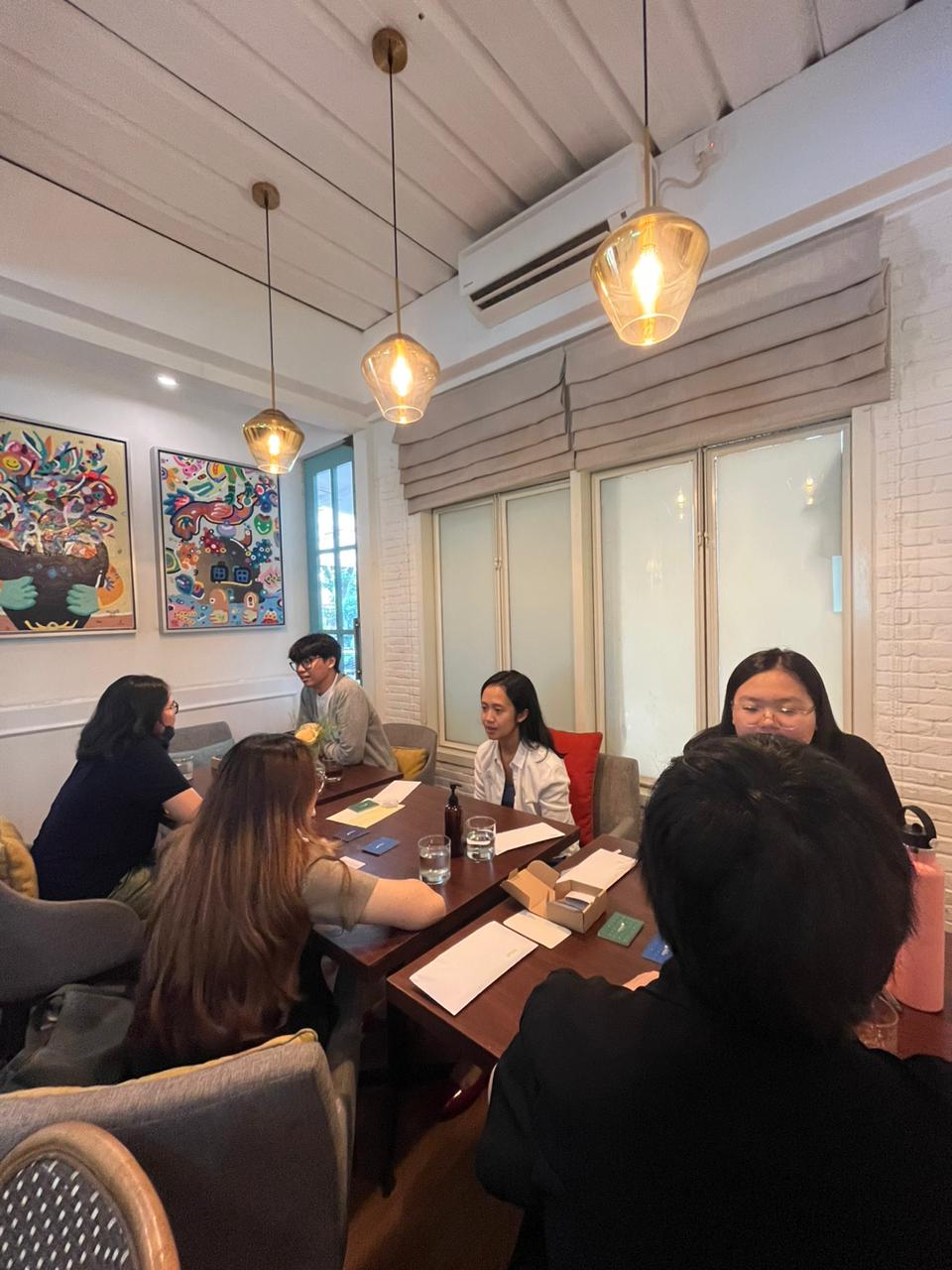
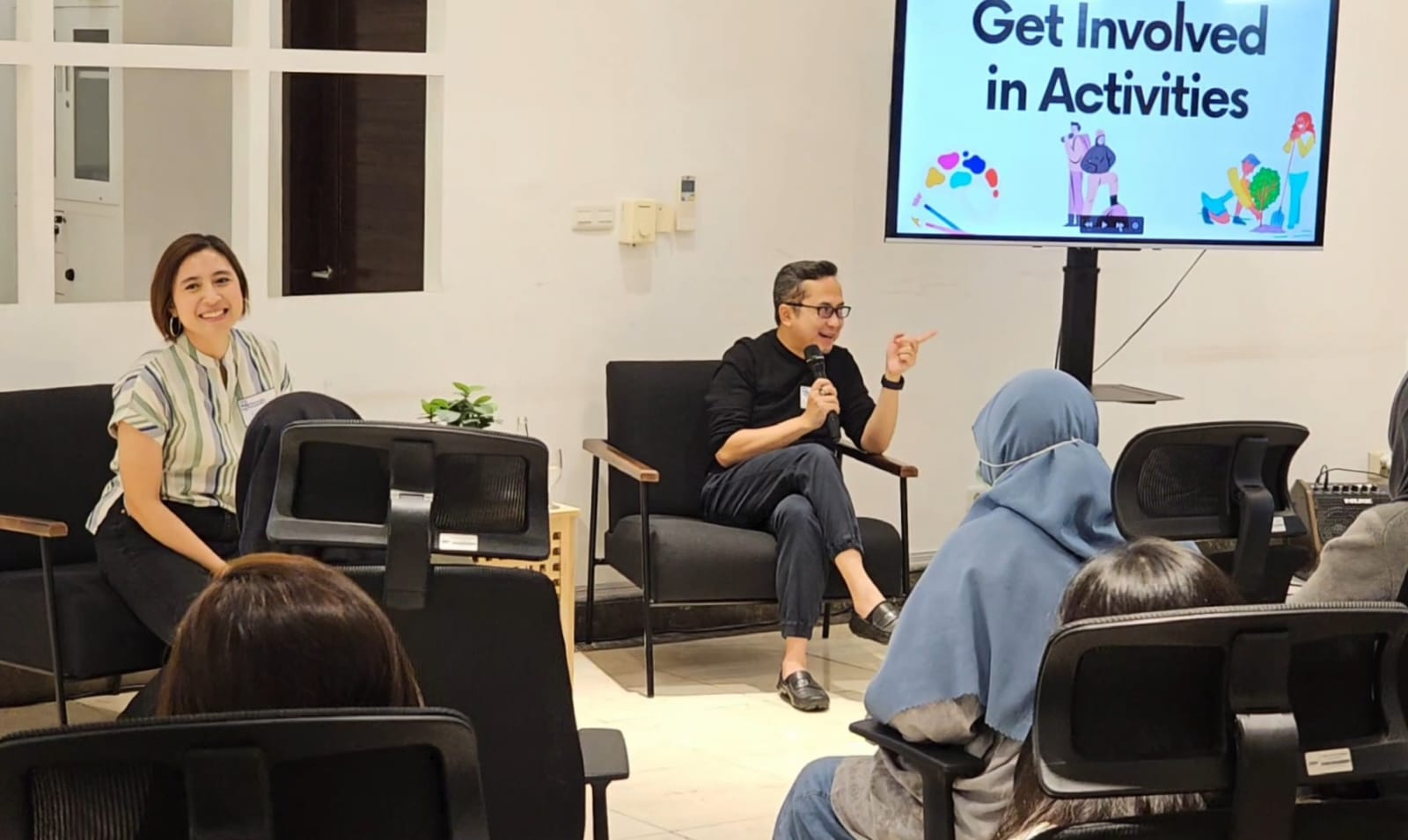
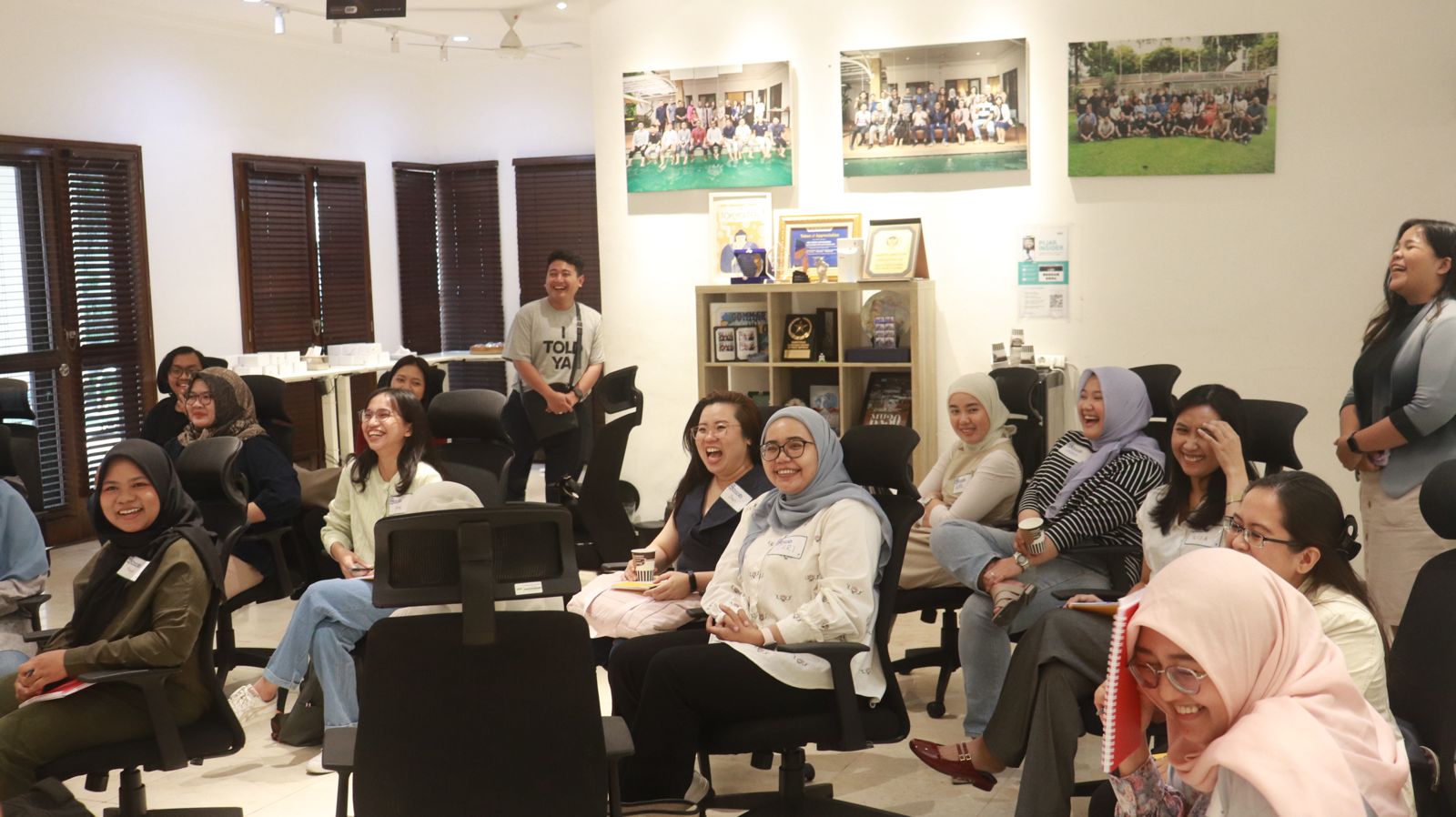
As an introverted person, incorporating goals centered around self-awareness while involving others has always been a challenge for me. However, last year, I took a bold step and initiated a community event called Unplugged. Over the course of four three-hour sessions, we created a space dedicated to engaging deeply with our thoughts and cultivating self-awareness, free from the distractions of smartphones. Each session was thoughtfully designed, focusing on activities like journaling for introspection, networking to foster meaningful connections, and communication exercises to enhance our ability to express and understand ourselves.

P.S: I am reviving the community this year by creating another journaling event in 25th of January. STAY TUNED!

*References for this post can be found here.

When You Know A Circle Is Your Circle

I wasn’t someone who had many friends growing up. Being the eldest daughter in my family didn’t afford me the freedom to be out and about making friends (and maintaining them). My early school days revolved around getting good grades, attending extensive after-school courses, and teaching my younger brothers how to write “apple” in a legible way (A hellish daily filler because brothers tend not to listen to their elder sister). My truest companions were the books my parents bought for me—companions that thankfully grew into a lifelong passion I still cherish today.

I didn’t quite understand what genuine friendship looked like, I was bullied since day one at school. My chairmate took every of my school equipments, I walked home with an empty bag but books. During my teenage years, I lost friends to drugs, tragic traffic accidents, and reckless hobbies. I had a small circle of friendship that I thought would last forever, because we had a “splendid” time in high school. However, we eventually surrendered to the way the adulthood separated us. As I grew older, I fell in love for good friends who turned into my worst enemies, or worse—strangers. And when that wasn’t the case, fate had its way of intervening—they passed away too soon.

I didn’t understand companionship; I had always been content doing everything on my own—or eventually doing it on my own in discontent. I had always tried to find this so-called magical companion, the one who would complete the picture I had in my mind. Yet, more often than not, it ended in a bad way. I thought to myself: So, why bother forging friendships? Why invest in something I know is unlikely to last?

Flash Forward to Recently

One rainy May evening, I remember having quite a bad day and was bothered by a financial struggle. However, that night I also had some conversations with my closest friends. It was quite late. We sat in a circle on the carpet, sharing tea and cake. The soothing aroma of rooibos tea and vanilla buttercream cake filled the air, and mingling with the earthy scent of musk. We had nowhere to go, the rain caged us comfortably. As always seemed to happen in this circle, our lighthearted conversation effortlessly turned into something deeper. Someone began by sharing how life had been different before we met, and soon, everyone took turns sharing their own version. There were funny stories that filled the room with laughter, and there were somber tales too—stories that brought tears to the storyteller. In that moment, I felt a sudden and profound sense of wholeness.

On the night like this, I never felt more rich. I had the feeling that I will be alright and everything is more than enough. I had a feeling that this world was within reach, it was irrevocable. If I needed money, I could always get it. I could teach a new class, I could smuggle gold, I could sell prohibited goods, I could sell my kidneys, or I could become a $100 phone sex operator, and none of it would matter. I know with all my heart that the people sitting with me would go to great lengths to support me in times of need, and I am certain they would never abandon me. I had traveled the world searching to feel this whole, to have this unwavering conviction, and I finally found it here—with them.

I Learned My Lesson

In retrospect, I realized that I currated my friendships. I thought that’s what we were supposed to do—choose the “right” people. I avoided anyone I found annoying: those who borrowed books and never returned them, or well— returned them dog-eared. I couldn’t imagine befriending someone who didn’t enjoy reading or share my taste in music. I convinced myself that if I surrounded myself with people who mirrored my interests and preferences, I would find happiness. I believed that companionship was built on perfect similarity.

But then it dawned on me: if this was the foundation of my friendships, if this was all I sought in others, then what I was really trying to do was befriend … myself.

And that realization hit me hard. One, I do not have a good relationship with myself, which becomes the root of this senseless perfectionism.

Two, friendship isn’t about finding clones of myself; it’s about embracing differences, learning from each other, and growing together. The people who shaped me the most weren’t those who shared every interest or trait of mine. They were the ones who challenged my perspective, introduced me to new ideas, and supported me in ways I never anticipated. I was seeking for “the” perfect friendship, but genuinity will never grow where perfection exists. I need to remember this constantly.

I began to see that true companionship isn’t about building a circle of people who reflect my own image but about understanding friction of differences, the give-and-take of disagreements, and the mutual respect despite those disagreements.

Lastly, this is how I know that I have finally found my circle. This is how I know that I am no longer wandering aimlessly, searching for a place to belong. These people, with their quirks, imperfections, and boundless differences, have shown me that true companionship isn’t fleeting—it’s enduring.

Sunday Notes: Thoughts of 2024

I haven’t been writing online much lately. I had told myself I would “show my work”—share with the world what I’m capable of. But the reality is, my energy and capabilities are so consumed by the demands of life that it feels nearly impossible to find the time to reflect and write about them. I started wondering if this was just another fleeting commitment, another “anget-anget tai kotok” moment I’ve brought upon myself time and time again. At one point, I even began questioning whether I’m better at planning than executing—this blog feels like undeniable proof of that suspicion.

Yet here I am, on a quiet rainy Sunday, bored and yawning, deciding to write a post that, to be honest, has no clear direction or purpose. But let’s say, it’s a start.

I do not have any theme today, but just series of updates and strong thoughts I have in my mind lately:

2024 is absolutely a chaotic but a productive year.

Building a business was never something I envisioned for myself. I always imagined I’d work in a corporate setting or an NGO, dedicating my efforts to endless economic research—something I believed I was good at. After all, isn’t that what people are supposed to do? Stick to what they’re good at? The thought of creating an institution, hiring a team, and setting ambitious business goals never crossed my mind.

Yet here I am, wrapping up the 2025 planning and outlining the KPIs my team needs to achieve by the end of next year. And you know what? It feels good—really good. I’m proud of this institution, its solid purpose, and the values we stand for. While I still wrestle with insecurities about how I lead: my team, they’re an incredible setup, and I couldn’t ask for a better group to bring this vision to life.

This year, we had the privilege of working with incredible mentees—individuals who are not only pursuing their next degrees but are also creating meaningful impact along the way. We partnered with outstanding companies and collaborators, finally laying the B2B foundation we’ve been planning for so long. Our network is growing stronger, and we’ve become a little bolder in negotiating terms. It’s been a year of progress, partnerships, and promising steps forward.

But the process, oh man, I cannot tell you that it was easy. There were countless nights of crying myself to sleep, endless entries of angry journaling, and more anxious moments than I could count—so many that I developed a persistent eye twitch from the stress. I haven’t taken a proper holiday this year and can’t even recall stopping for more than a single day to rest. I felt miserable, constantly grappling with the belief that no matter how much I gave, it was never enough. I found myself wishing for more than 24 hours in a day just to keep up with everything on my plate.

Mid-year, I gave up working out—something I used to rely on for balance—because the pressure of my routine became unbearable. Missing a single workout added to my stress, and with the chaotic schedule, it became impossible to keep up. I’m sure I’ve gained a significant amount of weight, but I still can’t summon the courage to step on a scale and confirm it. It’s been a tough year, and the toll it’s taken is undeniable.

By now, you might be wondering where I’m going with this. What I’m trying to say is: I am privileged. I get to work on something I love—something driven by clear purpose, direction, and goals. That doesn’t mean it’s been easy, nor do I expect it ever will be. But here we are, in November, and I can confidently say it’s been a good run this year.

There’s still plenty to improve, and I’ll keep striving to perfect the work we do. At the same time, I’m hoping to get better at managing myself—finding balance, embracing rest, and learning to handle the challenges with a little more–if not, grace.

A Steep Cost I Paid During GradSchool Has Finally Paid Off

And I think this is where we should take a moment to appreciate graduate school. It’s not just about earning a degree—it’s about the lessons you learn in the process, especially the ability to compartmentalize stress. That, I believe, is one of the best skills I gain from surviving grad school.

I am working on this project—a pilot project with a new partner. This project has an unclear timeline, unrealistic metrics, and overwhelming expectations. I was completely under pressure, struggling to navigate through constant changes and demands. I became so emotionally entangled with the project that it started to disturb my mental well-being.

However, then, as if a switch flipped in my mind, I realized something crucial: this project had been meticulously prepared over the course of five months. The groundwork was solid, the execution phase was finally here, and I wasn’t alone—I had all the support systems I needed, and the team I worked with was incredibly versatile.

That overwhelming survival instinct that had gripped me at the start began to fade. It was replaced by a more strategic mindset—a series of tactical lists and actionable steps to approach the project methodically. This was the moment I understood the invaluable skill I had honed during grad school: the ability to shift from panic-driven survival mode to a calm, tactical approach. It’s not something that happens overnight, but through the trials of graduate school, it becomes second nature—a skill I carry with me into every challenge I face.

At the peak of my grad school journey, just two weeks before my comprehensive exam, I hit a wall. I was completely overwhelmed by a microeconomics question that refused to budge no matter how many times I tried to solve it. Frustration consumed me, and I felt like giving up. It wasn’t just about the question—it was the looming weight of the exam and everything it represented–a continuation of my study.

I vented to my study buddy, half-expecting her to commiserate. Instead, she told me to hang up, put on my running clothes, and go for a run. “Think about it,” she said, “life can’t hinge on a microeconomics question. Come back, have a good meal, email your professor for guidance, and try again tomorrow.”

At that moment, her words felt like a lifeline. She reminded me to step back, to breathe, and to let go of the pressure I had placed on myself. That simple advice—run, recharge, and regroup—somewhat became a cornerstone of how I approached challenges from that point forward.

Then again, this lifeline wouldn’t have felt like a lifeline if grad school didn’t sometimes feel like a life-or-death situation. It was through these moments of intense pressure that I learned to refocus. I began to understand that life is so much bigger than my stress, that problems—no matter how daunting—can be approached methodically, and that asking for help is not a sign of weakness but a practical solution.

One of the most valuable lessons I gained was learning how to contain chaos. Just because one area of my life felt out of control didn’t mean it had to seep into everything else. Grad school taught me how to compartmentalize, how to keep the messy parts from overshadowing the calm, and how to keep moving forward, even when things felt overwhelming. It’s a skill I carry with me now, and one I’ll always be grateful for.

Now, back to the working field. It’s Sunday evening, the rain is tapping gently against the window, and the sky is fading into darkness. It feels like the perfect moment map out the week ahead. There’s a quiet sense of purpose in this ritual, a chance to bring structure to the chaos and set the tone for what’s to come. So, that’s what I’m going to do.

Talk to you again soon.

Take care,

The Upside of Insecurity

If I can think of a person’s attitude that signals potential in the school or scholarship application process, it is their insecurity about the possibility of attending and surviving graduate school (Shocking? I know!). When Sarah joined my mentorship program, she was unsure which graduate program would suit her best and had no clear vision for her essay’s grand narrative. She only knew that she was deeply and genuinely interested in sustainability and the environment. Often, when we delved into her academic interests, she expressed concerns about whether she would be capable of presenting her ideas effectively to school or scholarship committees, considering it is something that she herself just learned. We spent numerous hours and meetings addressing her questions and building her confidence.

Over the nine-month program, we spent almost three months on research and discussion just to find the one graduate major that would suit her future aspirations and align with the scholarship’s targeted field. Many would think that her state was not ideal; myths of the ideal candidate being supremely confident and verbose have dominated our understanding. However, Sarah successfully landed an offer from Stanford, and when LPDP announced their awardees in the first batch of 2024, she received a score above 1000, surpassing the passing grade of 700 for Ivy scholarship group. This story appeared more than once in my program which compells me to think that in many cases of scholarship and school hunting, insecurity can be a good thing, it’s how we repurpose it.

Your Insecurity Can Force You To Move Forward

Insecurity, often seen as a negative emotion, can actually play a pivotal role in your personal growth. In the context of educational journey, insecurity should be understood as a valuable signal for improvement. Here’s why insecurity can be a powerful ally for your study abroad journey:

1. Insecurity Promotes Self-Awareness

Insecurity acts as an internal alarm, alerting us to areas where we might be lacking. When we feel insecure about a particular aspect of our applications and profile, this alert forces us to confront our limitations and understand our knowledge gaps. This is a good first step, as only through the clarity of these gaps can we produce a powerful application profile. Recognizing and addressing these insecurities allows us to focus on targeted improvements, ultimately strengthening our candidacy and increase our habit to always self reflect on our self development aspects.

2. Encourages a Growth Mindset

Carol Dweck’s concept of a growth mindset revolves around the belief that abilities can be developed through dedication and hard work. Insecurity naturally fosters a growth mindset by highlighting that current shortcomings are not fixed traits but rather opportunities for growth. When we recognize that our insecurities point to areas we can work on, we become more open to learning and development. Additionally, based on my experience, students who are insecure about their abilities are often more receptive to feedback. They understand the value of constructive criticism in their learning process. This openness allows them to make necessary adjustments and improvements based on the insights and suggestions from teachers, peers, and mentors.

3. Drives Motivation and Persistence

Those who are aware of their weaknesses are more likely to seek out resources, ask questions, and put in extra effort to improve. This persistent drive to overcome insecurity leads to enhanced learning outcomes and a stronger grasp of the scholarship battlefield. Not only that, the drive will push us outside of our comfort zones and compell us to tackle challenges tactically. This eventually enhances our problem solving skills as we navigate and overcome our obstacles.

4. Builds Emotional Intelligence

Dealing with insecurity requires a level of emotional intelligence. During our study abroad preparation period, we learn to manage our emotions, cope with stress, and maintain a positive outlook despite our self-doubts. This emotional regulation is a critical life skill that will benefit us in various aspects of our personal and professional lives. Experiencing insecurity can also makes us more empathetic and humble. Understanding our own vulnerabilities helps us appreciate the struggles of others. This empathy fosters a supportive and collaborative learning ability, where we are more willing to help and learn from each other.

Repurpose Your Insecurity In Study Abroad Application Process

Insecurity often gets a bad rap, but when it comes to the study abroad application process, it can be a surprisingly powerful tool. This is not a call to succumb to your insecurities but rather a public initiative to repurpose them. By understanding and leveraging your insecurities, you can target areas for improvement and build a stronger application.

The first step is to acknowledge your insecurities. Whether it’s uncertainty about your academic achievements, fear of not standing out in your personal statement, or anxiety about your English proficiency, recognizing these feelings is crucial. This self-awareness allows you to pinpoint specific areas that need attention. Use your insecurities as motivation to improve. If you’re worried about your academic record, seek out opportunities to enhance your knowledge or skills in weaker areas. If you’re anxious about writing your personal statement, invest time in drafting, revising, and seeking feedback from mentors or peers.

Insecurity can highlight areas where you can grow. Embrace this as a chance for personal development, engage in activities that build your confidence, do more public speaking, volunteering, or taking on leadership roles. These experiences not only boost your self-esteem but also enrich your application profile. In your application, don’t just focus on your achievements. Highlight your journey, including the challenges you faced and how you overcame them. This narrative shows resilience, determination, and a willingness to grow—qualities that are highly valued by admission committees.

How Confidence Sometimes Ruin Your Chance To Learn

I met a student who joined my program with a list of impressive achievements and a strong sense of confidence in her profile. She expressed genuine interest in her field and a willingness to go the extra mile to secure an offer from one of the Ivy League schools. She shared her bafflement at how an ordinary coworker managed to get into a prestigious graduate school, and this realization strengthened her belief that the study abroad path was open to her as well. However, as she went on, this confidence manifested into something else: inability to accept feedback, a long recovery time from minor failures, and stagnancy in her application process. Her initial confidence, while admirable, became a barrier to growth and adaptation, and this–hindering her progress. Eventually, she dropped out of the program, as she began to see this route as no longer beneficial to her self-image.

Let’s sink this story into our mind and take a dip of example on how confidence may sometimes veil our understanding about ourselves.

My Takeaway

Friends, you have a choice: you can start now even if you feel unprepared, or you can wait until you feel ready and risk getting stuck in a never-ending vortex of insecurity. Alternatively, you can repurpose your insecurity and use it as a powerful long-term tool for your self-development.

Communication IS The Key

Vizier works with around 120 students yearly on their graduate school applications or on improving their communication skills. We work with civil servants, private workers, startup founders, and businesses. This allows us to understand more about people. Although Vizier did not initially plan to emphasize communication skills as a part of our class curriculum, it has become a significant aspect of our approach. Over the past two years, Vizier has gained traction not because we teach English or act solely as education consultants but because we excel at helping people communicate effectively.

In school applications, we assist students in articulating their visions and demonstrating how their backgrounds align with their goals. Additionally, we help them establish a common ground and a shared vision with the institutions to which they are applying. During mock interviews, we help our mentees build confidence in their applications and manifest this confidence to the panelists. In Fluency classes, we help learners shift their focus from grammar to effectively communicating their thoughts. In Study Abroad Program classes, we teach students to write effective academic papers, ensuring they can convey their meanings in a scholarly and formal style. On our business communication coaching, we help people to become proactive and assertive in their goals, fulfilling their aspiration to become better leaders. Our approach focuses on how to become a better super-communicator.

When I initially built Vizier’s mentorship program, I chose what many would consider the most inefficient way: one-on-one sessions. Despite opportunity to create a group mentorship program for efficiency and scalability, I followed my instinct and focused on private classes first. I wanted to deeply understand my mentees, their decisions to apply for schools, their obstacles, their needs, and especially how to connect with them. I want to become adept at enabling individuals to clearly understand and convey their identities, aspirations, inspirations, and ambitions. Come to think of it, getting them to their dream schools or scholarships has never been my main drive; getting them to understand their purpose and to communicate is. When this is achieved, schools and scholarships are easy to reach.

The same perspective applies to our business communication coaching program. I aim to move beyond addressing language barriers to focusing on communication barriers. I have come to understand that once someone identifies their communication barriers, language becomes a smaller fraction of their concerns.

Listening with Empathy: The Crucial First Step

The graduate school and scholarship application timeline can be described in one word: PACKED. Those who have been through this process understand that it is tedious and stressful. I never sugarcoat this process to my mentees; during their onboarding, I emphasize the importance of strict time and energy management. I work with amazing and ambitious individuals; however, during the process, I have noticed distinct characteristics that emerge in those who succeed in this grueling path.

It turns out that it is not someone’s achievements that become the biggest aspect of success, but their ability to listen. Those who can capture the nuances of application dynamics through conversations, networking, and research are the ones who listen carefully. When asking for timeline and application suggestions, they come prepared but are also ready to receive feedback and make dramatic changes if necessary. They understand that their enrollment in this mentorship program is to gain perspectives that sharpen their applications, not merely to seek justification for how they want to be seen.

Furthermore, I gradually combined my one-on-one mentorship with community involvement. We created an additional study group class as a bonus, allowing mentees to work on their applications together. Through this group activity, I can observe how people interact with one another. Those who are “super-listeners” are also willing to learn from others. They take notes, integrate feedback, and respond to others’ concerns with support and helpfulness.

Therefore, the most crucial skill for grad-school preparation is listening with empathy. By listening, we understand others, but by listening with compassion, we build stronger relationships. We can better perceive other’s pain points through stronger relationships, improved communication skills, and more personalized strategies. Furthermore, excelling in empathetic listening encourages curiosity about others’ perspectives, resulting in increased communication proactiveness. As they continue to be proactive, they also become more story-sensitive, understanding which parts of their profile need further highlighting in their applications. These characteristics lead to sharp applications that make them stand out in the application pool.

In Business Perspective

We live in a time where good communication skills are super crucial for personal success. Leaders who don’t use their communication abilities to their benefit miss important opportunities. On the other hand, leaders who communicate wisely and set the tone for discussions tend to succeed. For example, Barack Obama’s speech in Philadelphia will be remembered for a long time, and he will be remembered for delivering it. This speech addressed the issue of race in the United States and was given during his campaign; leaning toward the audience and crafting stories based on empathy is a good strategy.

In 2019, Brand Genetics released several insights on the importance of empathy in business. They found that empathy significantly impacts various aspects of business success. For instance, empathy boosts creativity by allowing individuals to see from multiple perspectives, which is crucial in product innovation.

Despite its importance, many business leaders have an empathy deficit, with only 40% possessing proficient empathy skills. The “80:8 rule” indicates a significant discrepancy between companies’ perceptions and consumers’ experiences. Specifically, 80% of companies believe they deliver a superior customer experience, while only 8% of their customers agree (Brand Genetics: 2019). This rule highlights the empathy deficit in many businesses, emphasizing the gap between brand intentions and consumer realities.

Final Takeaway (And A Note To Myself)

However important, active listening skills and empathy are aspects of communication that require time to develop. The journey to mastering these skills requires a dedication to ongoing self-improvement and a readiness to adjust based on feedback and new insights. Developing empathy and active listening demands both practice and patience. It entails being fully present in conversations, posing open-ended questions, and contemplating what is being said without rushing to judgment. It also involves being willing to alter one’s perspective when presented with new information. This method can foster deeper connections and more meaningful interactions, whether in personal, academic, or professional contexts.